
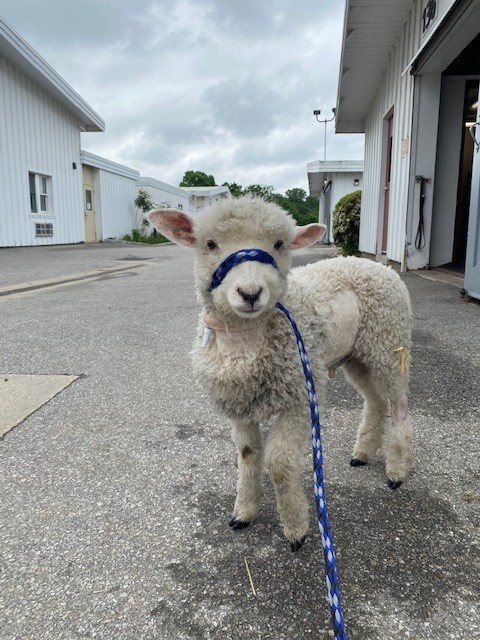

Alex (AKA Alexander Hamilton), who is the son of our ewe Heazle, came to the farm in early April as a bottle baby along with his friend Cedric. Alex was a twin to his sister and born very small. Our friend Ellen decided to pull him from his mom early on as he was struggling to suckle and eat properly. It took several weeks for Alex to learn to drink well from the bottle, but he settled in and was doing well.
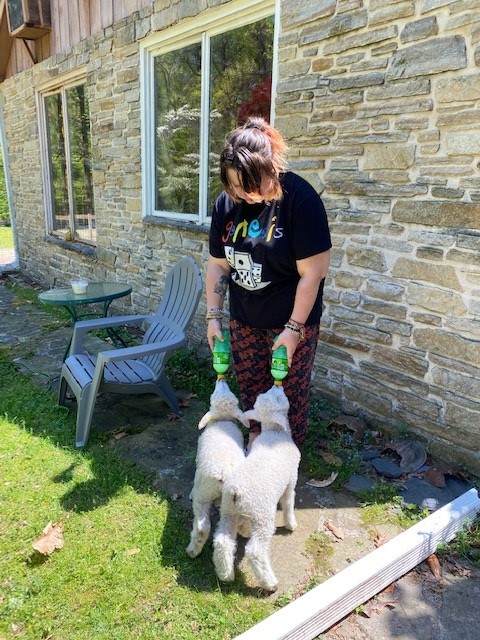
A few weeks after Alex moved down to the farm, Maddie noticed his umbilical region seemed to be inflamed. He was immediately taken to our local livestock vet where he was evaluated and given some antibiotics. Fast forward another 10 days and Alex was taken back to the vet again as the area didn’t seem to heal and then two days later he was taken to the PennVet New Bolton center which is a regional livestock hospital.
The ER team evaluated Alex and determined he needed surgery to resect the umbilical region. For whatever reason, he developed an abscess in there so the “tubes” that connect from the bladder and liver to the umbilicus were still intact. These “tubes” usually disappear as the umbilical cord fragment dries up but in Alex’s case they did not. (This condition is called umbilical urachus). Unfortunately, at that time, Alex was not considered critical and other cases were put before him for surgery. Sadly, he did not have his surgery for five days, meanwhile he was getting much sicker and no one knew it
Alex did OK in his surgery and two days later, he was discharged and came back home. He seemed very out of it and didn’t look well at all but we attributed that to him having major surgery. Sadly 12 hours later we were rushing him back to the hospital in the middle of the night as he was not eating, was lethargic, and running a high fever.
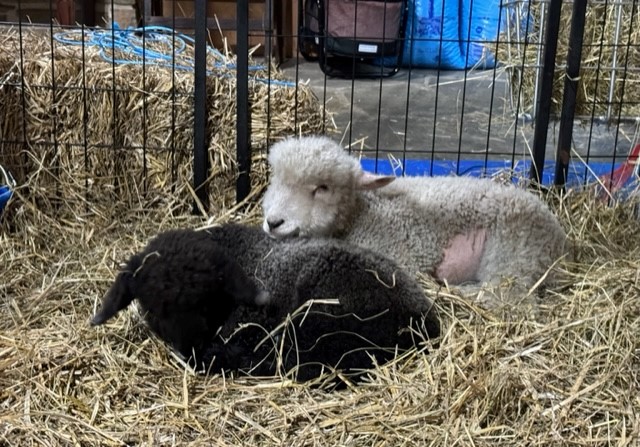
This is when we met the most remarkable vet ever! She is literally the most compassionate, caring, and awesome vet we have ever worked with including every domestic pet vet from any clinic or hospital. Her name is Dr. Flavie Payette and she is a third year resident from Montreal. Dr. Payette met us in the waiting room at 1:30 a.m. and explained her concerns and answered all our questions. She was going to get some scans and bloodwork to start to develop a care plan. We expected Alex to get some antibiotics and be on his way home in a few days.
The next morning Dr. Payette called and said Alex didn’t want to eat but the “good news” was his umbilical region seemed ok and was healing properly. Her big concern was his inflammatory markers were sky high and that didn’t make sense from what she was seeing clinically. More x-rays, CT scans, bloodwork and Alex continued to get sicker. It was now evident that the original umbilical infection had shot through his entire system and he was now septic. His condition was diagnosed as septic osteomyelitis.
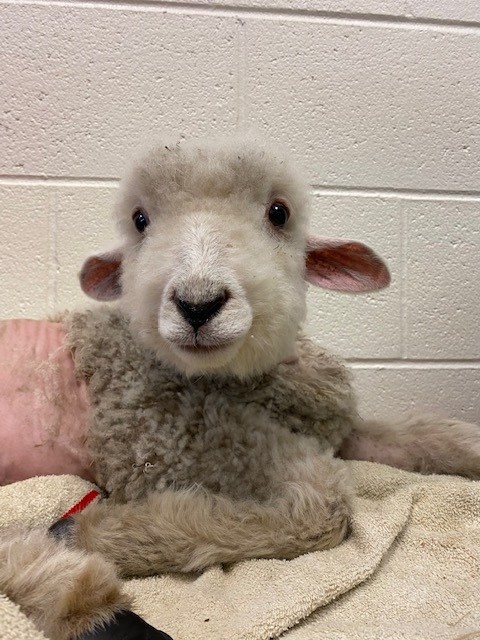
We’d get ongoing updates from Dr. Payette via texts with pictures and videos, extensive phone calls, ongoing decisions and choices to be made on how to proceed. Dr. Payette noticed Alex was starting to limp and more tests uncovered a bone infection in his left rear hock area. Surgery was scheduled to clean the bone area as bone infections eat away bone and can cause major damage. While under anethesia, the team would also conduct a full body CT scan to determine if there were any other bone lesions.
Alex was put under and immediately started to crash so the surgery had to be halted. Thankfully he came out of it OK, and it was decided the best that could be done was to hit him with unconventional treatments with medications not typically used in animals. Sadly, at this point it was discovered that Alex had a blood clot in the artery on one side of his neck and it could no longer be used. That left just one side to be used for his catheter. This was a big risk because if that side got blocked, that would mean the blood flow to his brain would be compromised. While in the brief surgery, they were able to get a basic CT without any contrast which revealed several more bone lesions in his shoulders and knees. Alex was giving his care team a challenging case study as they had never had a small ruminant with an infection this extensive. Dr. Payette consulted with many other vets and caretakers and took some risks to try to save Alex. Meanwhile, his inflammatory markers continued to climb.
After a few days on the nonconventional heavy-duty meds, Alex’s inflammatory markers halted their climb and actually started to decline bit. This was the first time we had gotten a call with good news and at this point, Alex was on day 18 now at the New Bolton Center.
Unfortunately, along with the good news, it was determined that Alex’s liver enzyme was climbing super high and yet he was showing no signs of actual liver failure. Dr. Payette scheduled several liver scans, and no apparent abscesses or lesions could be seen. Since there was no obvious cause for this, the condition is referred to as idiopathic hepatopathy.
A week later, the leg surgery was rescheduled as Alex’s leg bone still needed to be cleaned. That surgery finally occurred, and Alex did OK to get through it. He recovered well and the meds were continued. Dr. Payette continued to provide text updates, phone calls, videos, pictures (including all those in this article) and on one Thursday morning she called to say Alex would be able to come home! They would be sending him with all his meds and supplements, and we would let him continue his recovery at home. This would end a 28 day stay for Alex at the New Bolton Center.
On Friday May 31, Dr. Payette and the staff at PennVet New Bolton had a farewell party for Alex and they even made him a hat. We picked him up that evening and he has been home with us recovering. The following pictures are from his party with the staff at the hospital.
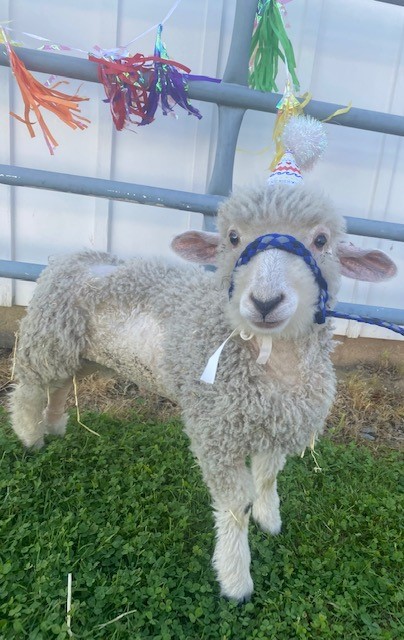
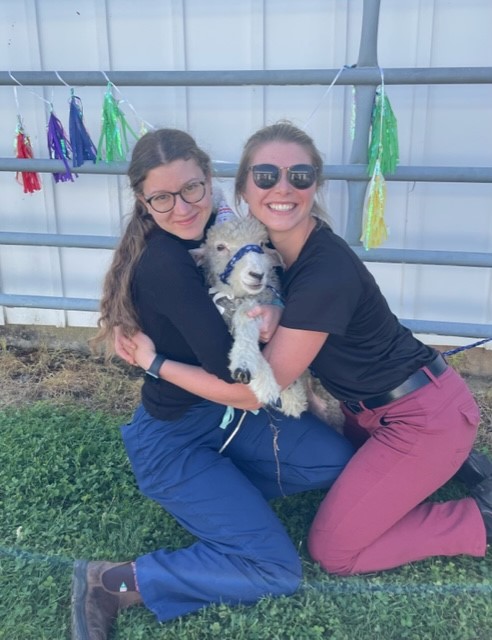
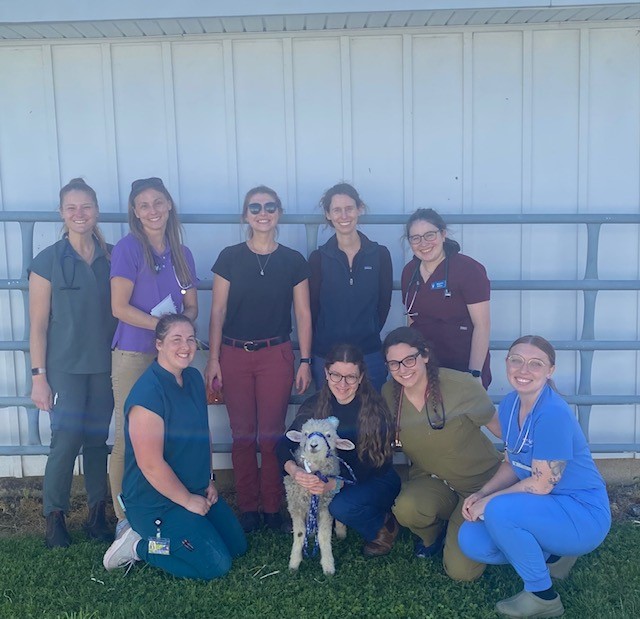
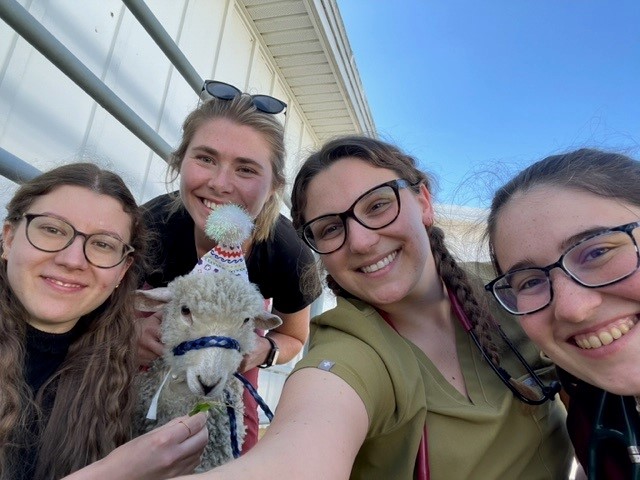
This story is one of a resilient and brave little lamb and a hero doctor who refused to give up on him. Dr. Payette thought outside of the box and left no stone unturned. Her compassion and great clinical skills were a true blessing, and we will never ever forget what she did for Alex. Alex has a long road ahead which is unknown, but we are so grateful that our boy is still with us and was able to provide a tremendous learning case to the hospital. Alex didn’t throw away his shot and his doctor was right there alongside him.
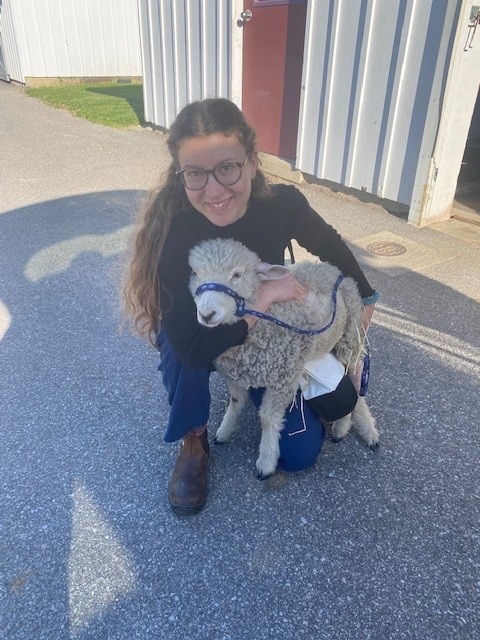
Update: Alex returned to New Bolton to see Dr. Payette on June 18th for a follow up visit. Lots of tests were run and the results show that Alex continues to improve. He remains on a regiment of several medications and antibiotics which are administered multiple times a day. Alex will return for another visit in July at which time it will be decided what his long term treatment plan will be.


0 Comments